
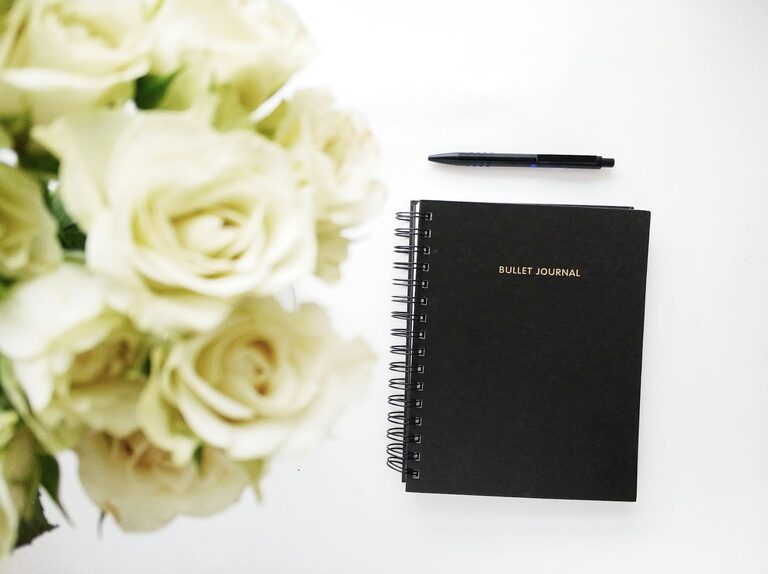
Bullet journaling has gained popularity as a flexible and creative way to organize life, track goals, and boost productivity. Whether you’re a student, professional, or simply someone looking to manage tasks better, a bullet journal can be adapted to your unique needs. This guide will walk you through the essentials to get started with bullet journaling.
What is Bullet Journaling?
Bullet journaling is a customizable analog system created by Ryder Carroll. It combines the benefits of to-do lists, planners, and diaries into one notebook. The key is its simplicity: using bullet points, symbols, and short sentences to log tasks, events, and notes efficiently.
Unlike traditional planners, a bullet journal allows you to create layouts that match your preferences. From habit trackers to mood logs, the system is versatile and can evolve as your needs change.
Materials You Need to Start
Starting a bullet journal is easy and requires minimal supplies:
– Notebook: Choose any notebook you like. Popular choices include dotted or grid notebooks because they help create neat layouts, but plain or lined pages work too.
– Pens: A good pen (or a few in different colors) will make writing enjoyable. Many prefer fine tip pens for clean lines.
– Ruler: Optional but helpful for drawing straight lines in your spreads.
– Colored pencils or markers: Useful for highlighting or decorating pages (optional).
Remember, the focus is on functionality, not perfection.
Setting Up Your Bullet Journal
Here are the basic components to include when starting:
Index
The index works like a table of contents. Reserve the first few pages to list the titles and page numbers of your spreads. This helps you quickly find what you need later.
Key
Create a key for your symbols and bullets. Some common ones include:
– • Task
– X Completed task
– > Migrated task
– – Note
– o Event
You can customize symbols to fit what makes sense to you.
Future Log
The future log is an overview of upcoming months where you jot down important dates, deadlines, or events you want to track in advance.
Monthly Log
Each month, create a calendar-style or list-style monthly log. This includes your monthly events and goals. It provides a snapshot of the month ahead.
Daily Log
Daily logs are where you write your day-to-day tasks, events, and notes. Use bullets and symbols to keep it organized and easy to scan.
Customizing Your Journal
One of the joys of bullet journaling is customizing it to suit your lifestyle and interests. Here are some popular additional pages you might try:
– Habit Tracker: Monitor habits like drinking water, exercising, or reading each day.
– Mood Tracker: Track your emotional wellbeing throughout the month.
– Gratitude Log: Write down things you are thankful for daily or weekly.
– Brain Dump: A page for random thoughts or ideas to clear your mind.
– Goal Tracker: List your short- and long-term goals and track progress.
Experiment with different layouts and designs until you find what works best for you.
Tips for Maintaining Your Bullet Journal
– Start simple: Don’t worry about making each page perfect at first. Focus on functionality.
– Set a routine: Allocate a few minutes daily or weekly to update your journal.
– Be flexible: Modify your system as needed. If a layout or method isn’t working, try something new.
– Keep it handy: Carry your bullet journal with you to record tasks and ideas on the go.
– Use color wisely: Colors can help prioritize or categorize items but avoid overdoing it.
Benefits of Bullet Journaling
– Improved organization: Keeps all your notes, tasks, and plans in one place.
– Increased productivity: Helps you focus and plan your day effectively.
– Mindfulness: Encourages reflection and personal growth.
– Creativity outlet: Allows you to express yourself through layouts, art, and fonts.
– Flexibility: Adapts to your changing needs over time.
Final Thoughts
Bullet journaling is a powerful tool for anyone wanting to take control of their time and goals. Starting can be as simple as writing tasks in a notebook. Over time, you can personalize the system to boost motivation and creativity. Remember, the best bullet journal is the one that fits your life perfectly.
Happy journaling!